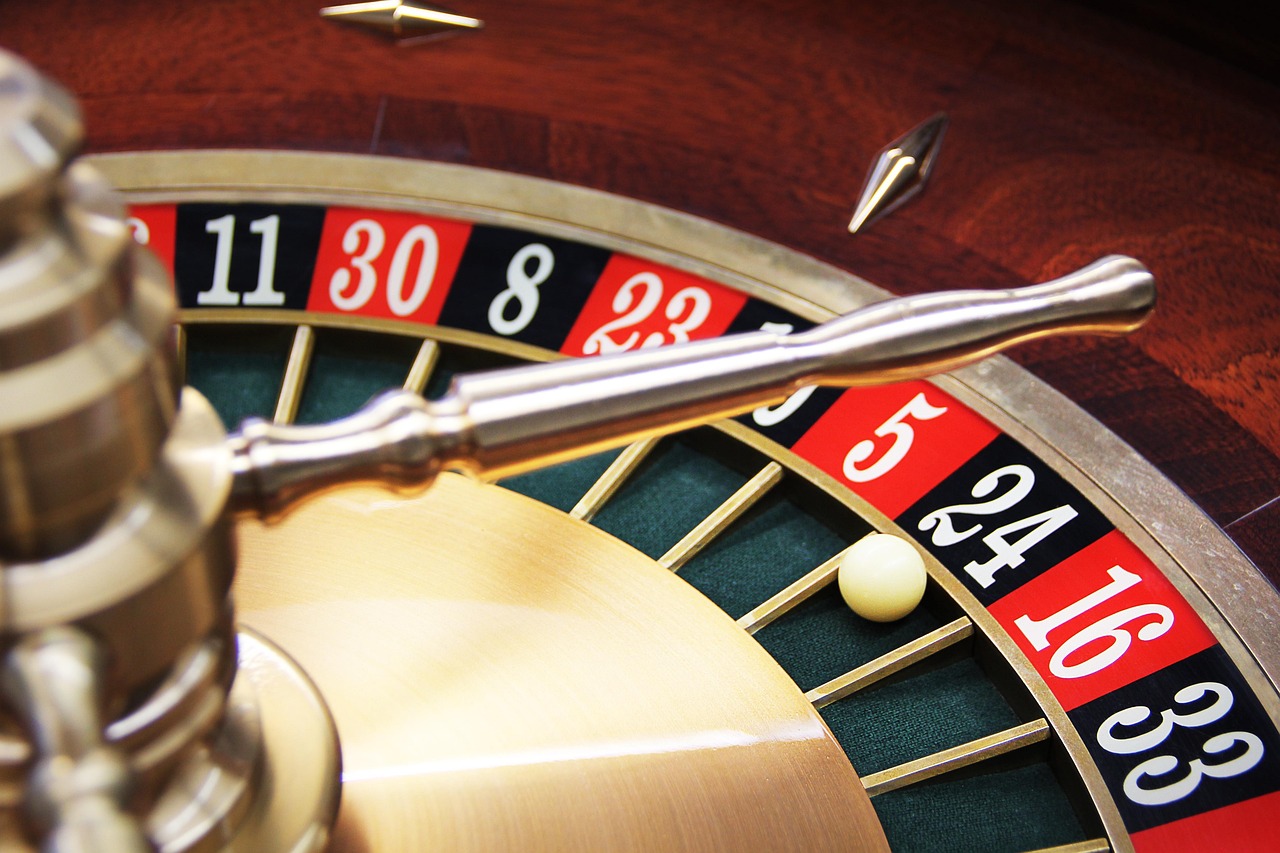


Every casino floor tells the same quiet truth: the math favors the house. Yet millions of people log into online casinos, spin reels, chase parlays, and grind poker tables anyway. That contradiction is the entire story of iGaming. It is not about beating the odds. It is about managing them, understanding them, and extracting every ounce of entertainment and occasional profit from a system designed to keep a small edge over you. The players who last are not the luckiest. They are the ones who treat iGaming like a skill, a budget, and a hobby rather than a lottery ticket.
The term iGaming covers almost anything gambling-related that happens on a screen: online slots, live dealer blackjack, sports betting, poker, bingo, and even fantasy sports in some jurisdictions. The global market was valued at roughly $100 billion a few years ago and is still climbing, with sports betting and casino games splitting most of that pie. What changed recently is not the games themselves but the delivery. Mobile-first design, one-tap deposits, and live-streamed dealers have made the experience feel less like a website and more like a permanent, pocket-sized casino.
The result is a lot of choice and a lot of noise. Thousands of operators, hundreds of game studios, and bonus offers that sound too good to be true. Some of them are. Knowing how to separate a legitimate platform from a flashy trap is the first real skill in iGaming.
Slots are the workhorse of iGaming. They are also the most misunderstood. A modern video slot is not random in the way people think. Each spin is an independent event driven by a random number generator, but the game itself is calibrated to return a specific percentage over millions of spins. If a slot has a 96% RTP, that does not mean you get 96 cents back every dollar. It means the house keeps about 4 cents per dollar wagered over the long run, and variance decides how that plays out in any given session.
Volatility matters more than RTP for the average player. Low-volatility slots pay small, frequent wins and burn through a bankroll slowly. High-volatility slots can go dozens of spins without a hit, then produce a massive multiplier. Neither is better. They suit different temperaments and budgets.
Progressives are their own beast. A percentage of every wager feeds a shared jackpot that can climb into the millions. The trade-off is a lower base RTP, often around 92% or less, because you are paying for a lottery ticket inside a slot machine. That is not necessarily a bad deal, but it is a different game than a standard 96% slot.
Sports betting is the part of iGaming with the thinnest house edge, which is why it attracts the most sophisticated players. A typical NFL spread carries about a 4.5% hold for the book, but line shopping and promotions can push the effective edge close to zero for disciplined bettors. That is why books limit winning accounts. They are not banning luck. They are banning an edge.
If you want to bet sports seriously, the workflow is boring but effective:
Live betting is where casual players lose the most. In-play odds move fast, and the emotional rush of a game is a terrible time to calculate implied probability. If you cannot do the math calmly, skip live markets. There is a useful overview at สล็อต.
Poker is the outlier. In cash games and tournaments, you are not playing against the casino. You are playing against other people, and the house takes a rake. That means a skilled player can genuinely win long-term, which is why poker has produced a culture of study, solvers, and hand-history review that slots and sports betting mostly lack.
Online poker today is tougher than it was in the boom years. Recreational players are fewer, and many opponents are using tracking software and precomputed ranges. To survive, you need a real edge: solid preflop charts, disciplined bankroll management, and the willingness to fold marginal hands. Bluffing is the least important skill at low stakes. Patience and position are far more profitable.
A simple bankroll rule: never buy into a cash game for more than 5% of your dedicated poker bankroll, and never play tournaments that cost more than 2% of it. This keeps variance from ending your hobby before your skill catches up.
Welcome bonuses are marketing, plain and simple. A 100% match up to $500 sounds generous until you read the terms. Wagering requirements of 30x or 40x mean you must bet the bonus amount dozens of times before withdrawing anything. If the bonus is $100 and the requirement is 40x, you need to wager $4,000, often on games that contribute different percentages toward the requirement.
Free spins are often cleaner than deposit matches, but check the value per spin and the maximum win cap. A 10-cent spin with a $50 max cashout is not worth the data you use to claim it.
Every experienced iGaming player eventually lands on the same principle: money you cannot afford to lose is money you should not wager. Set a monthly entertainment budget, split it into sessions, and stop when a session is gone. This is not about being boring. It is about staying in the game long enough to enjoy the wins when they come.
Track your sessions. Most casino apps and sportsbooks have built-in history tools, so use them. If you are down more than your budget in a month, take a break. Deposit limits, loss limits, and self-exclusion tools exist for a reason, and using them is a sign of control, not weakness.
iGaming is not a shortcut to wealth. It is a sophisticated entertainment industry built on probability, psychology, and a lot of very good software. The players who get the most out of it are the ones who understand the math, respect the variance, and treat every deposit as the cost of a night out rather than an investment. Whether you are spinning a 96% RTP slot, betting a sharp line, or grinding a low-stakes poker table, the goal is the same: stay in control, stay curious, and never let the house edge become the story of your bank account.

Cottage Ledge Living shares practical, down-to-earth guidance on cottage interiors and vintage home styling for readers across the UK.


Leave A Comment